
Ingredients and recipe reading
US recipe terms in a UK kitchen
Translate common American ingredient names and understand cups, butter sticks, and cream in a UK kitchen.
An American recipe asks for cilantro, a stick of butter, and a cup of all-purpose flour. You can buy all the ingredients in a UK supermarket, but that sentence will not help you find them.
Some differences are simply names. Others change the amount or the behaviour of a recipe. Here are the translations worth knowing, and the places where a quick swap deserves a closer look.
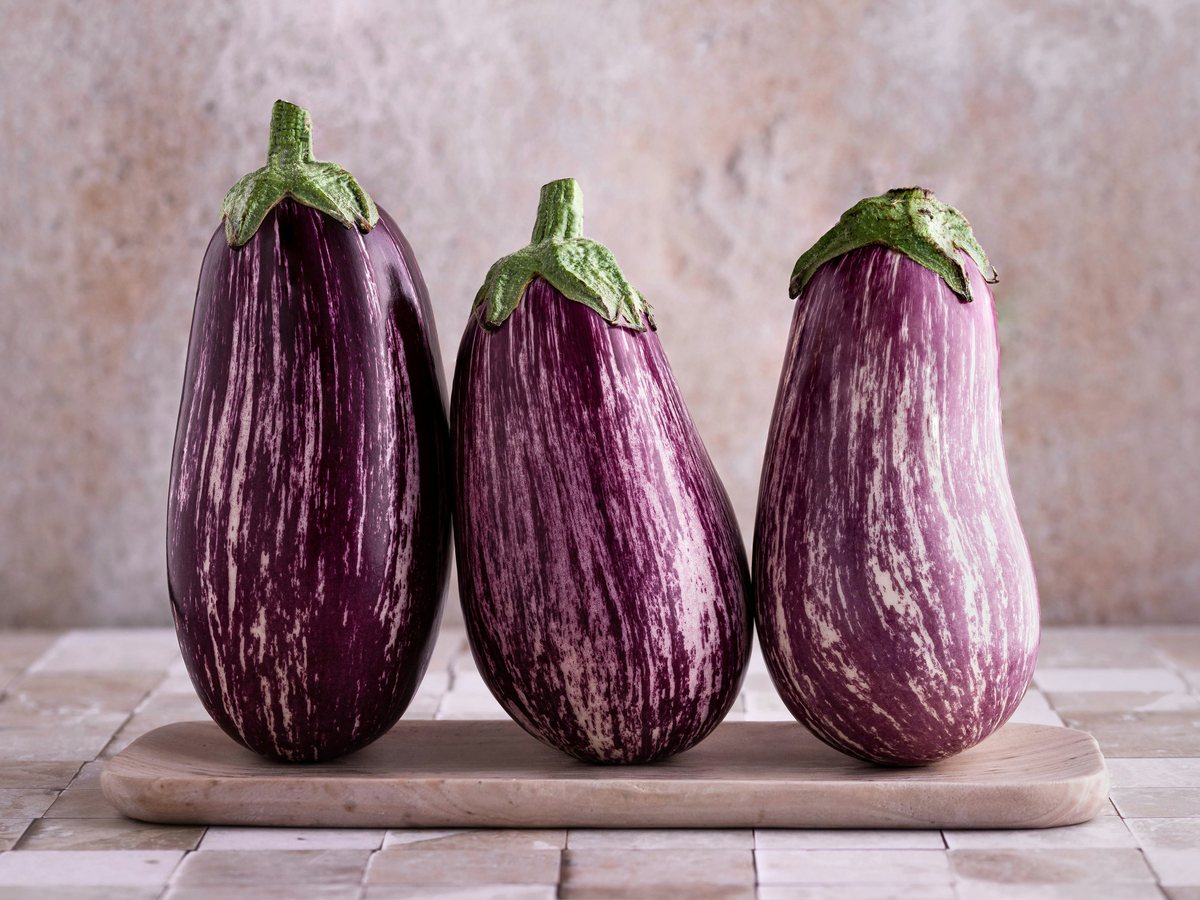
Names you can translate directly
| US recipe says | Look for in the UK | A useful detail |
|---|---|---|
| Eggplant | Aubergine | Same vegetable |
| Zucchini | Courgette | Same vegetable |
| Scallions or green onions | Spring onions | Choose fresh ones with firm white bases and green tops |
| Arugula | Rocket | Same peppery salad leaf |
| Cilantro | Fresh coriander leaves | Not ground coriander or coriander seeds |
| Baking soda | Bicarbonate of soda | Not baking powder |
| Cornstarch | Cornflour | The fine white starch used to thicken sauces; not cornmeal or polenta |
| All-purpose flour | Plain flour | Check any other flour or raising agent the recipe specifies |
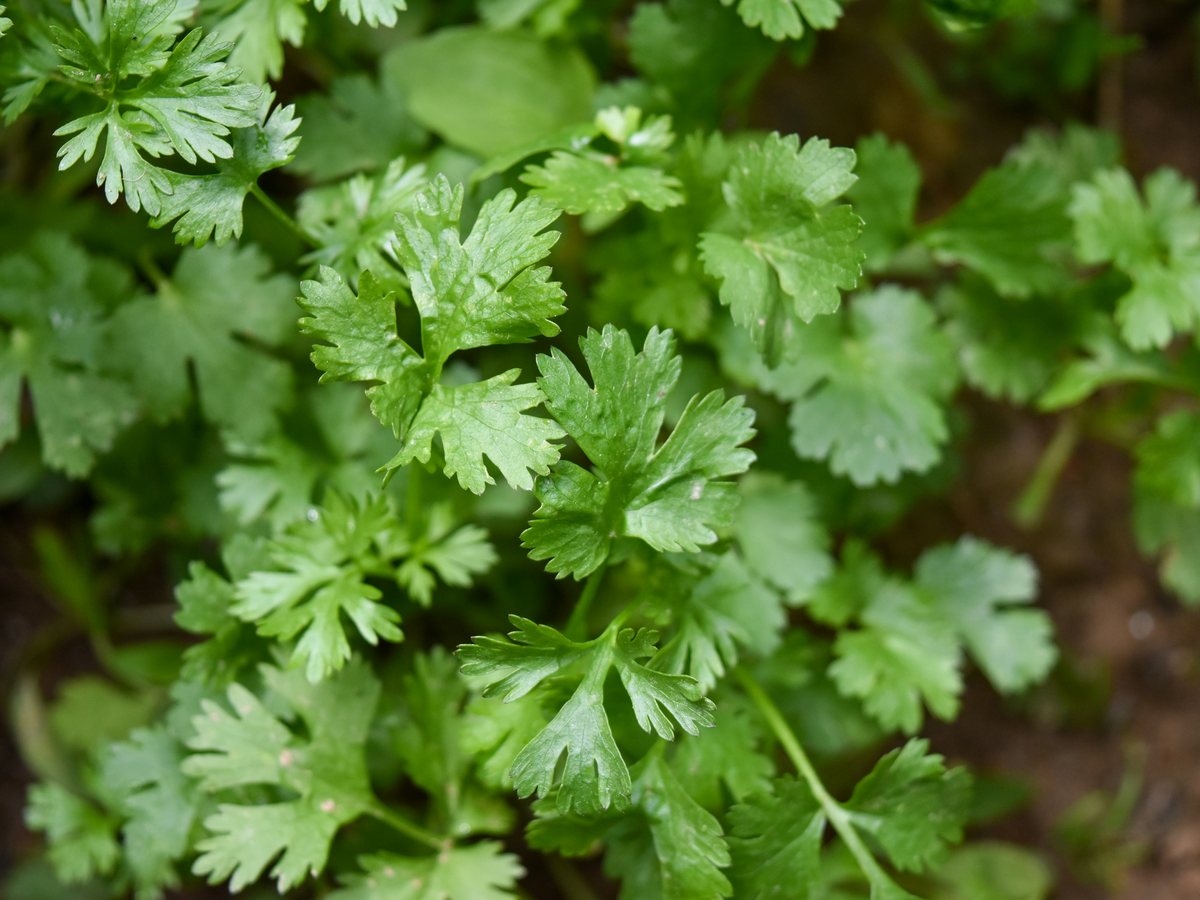
If you meet an ingredient you do not recognise, pages such as the Good Food glossary are a useful place to look it up. Its flour entry treats plain and all-purpose flour as equivalent names, and its bicarbonate of soda entry covers baking soda. Good Food also calls UK cornflour “cornstarch” in the US. If a US recipe asks for cilantro, buy fresh coriander leaves rather than coriander seeds or ground coriander.
The measures need more attention
A US recipe's cup is a volume measure, not a fixed weight. One cup of flour does not weigh the same as one cup of sugar, and even flour weights can vary with the source and how it was measured. If the author provides grams, use those. If not, check for the author's own conversion; many cookbooks include a guide near the front or back. Otherwise, use an ingredient-specific chart and treat the result as an approximation.
For example, The Guardian's UK conversion guide gives about 125 g for a cup of flour and 200 g for a cup of sugar. Those are examples, not fixed weights for every ingredient or every recipe. It also gives 240 ml as a practical volume for one US cup of liquid.
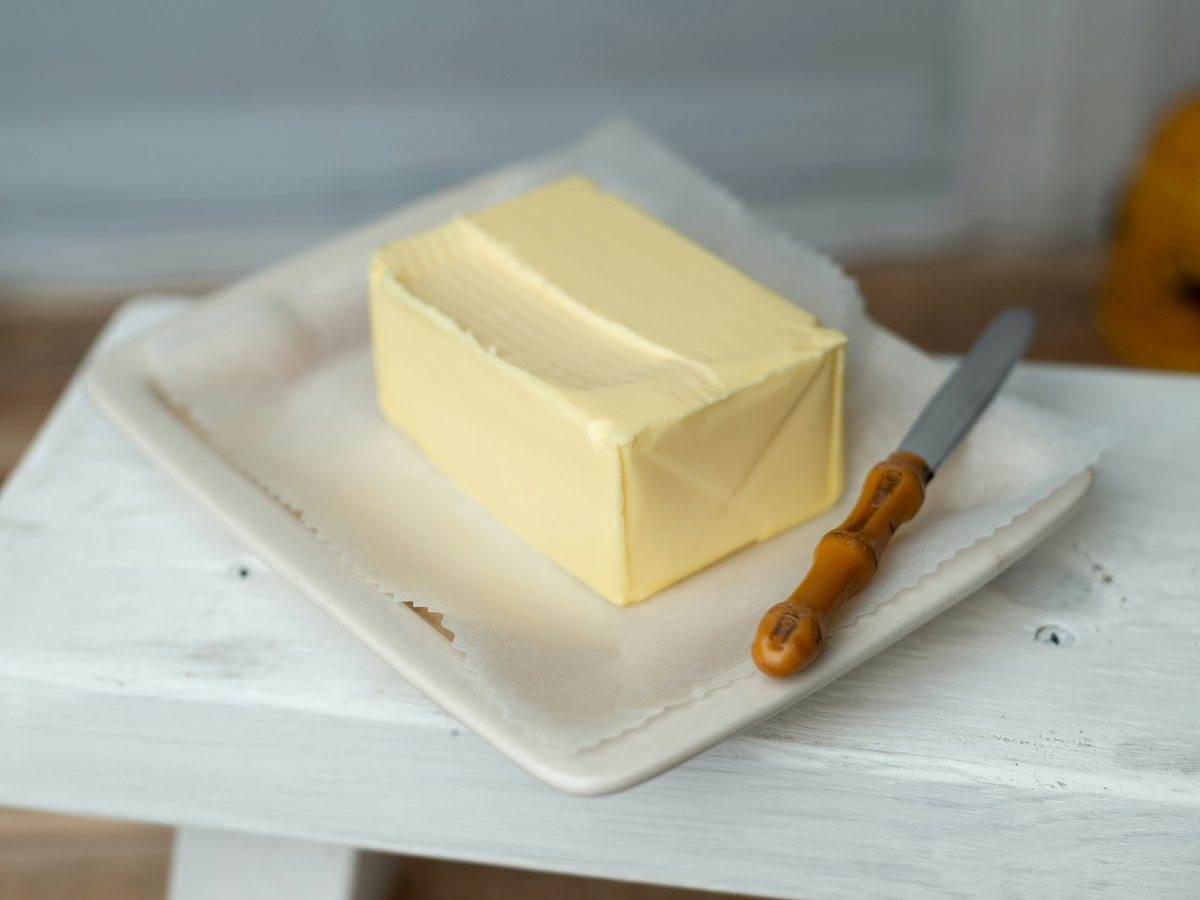
A stick of butter is an American package measure. One stick is about 113 g, or eight US tablespoons of butter. Cut that amount from a UK block; there is no need to find a stick-shaped packet.
Cream is about fat as well as the name

American heavy cream is closer in use to UK whipping cream than to single cream. UK whipping cream is around 36% fat; double cream is richer at roughly 48%, according to Good Food's cream guide. This does not make them exact replacements in every sauce or dessert. Check what the cream has to do: whip, enrich, or survive heating. Single cream will not whip and can curdle when boiled.
If a recipe asks for “cream” without saying what kind, look at the method and any photograph or description of the finished texture before choosing. A spoonable topping and a simmered sauce are different jobs.
When a translation is still not enough
Two ingredients with matching names can behave a little differently between brands and countries. Flour protein levels vary. Salt crystal sizes vary. A cup of packed brown sugar is measured differently from a loose cup of flour. When baking a recipe for the first time, keep the original amounts and method visible while you translate, especially if the page provides its own metric option.
If a ChefCollect recipe was imported from a US source, save the source's metric measures and notes with it where they are available. That makes the recipe easier to cook again than a private conversion you have to reconstruct each time.
The names are the easy part. The useful habit is noticing when the instruction is really about quantity or behaviour, then checking that before you start mixing.