
Techniques
Has my sauce split, and can I fix it?
Tell a separated dressing from a broken butter sauce or curdled dairy, then try the appropriate fix.
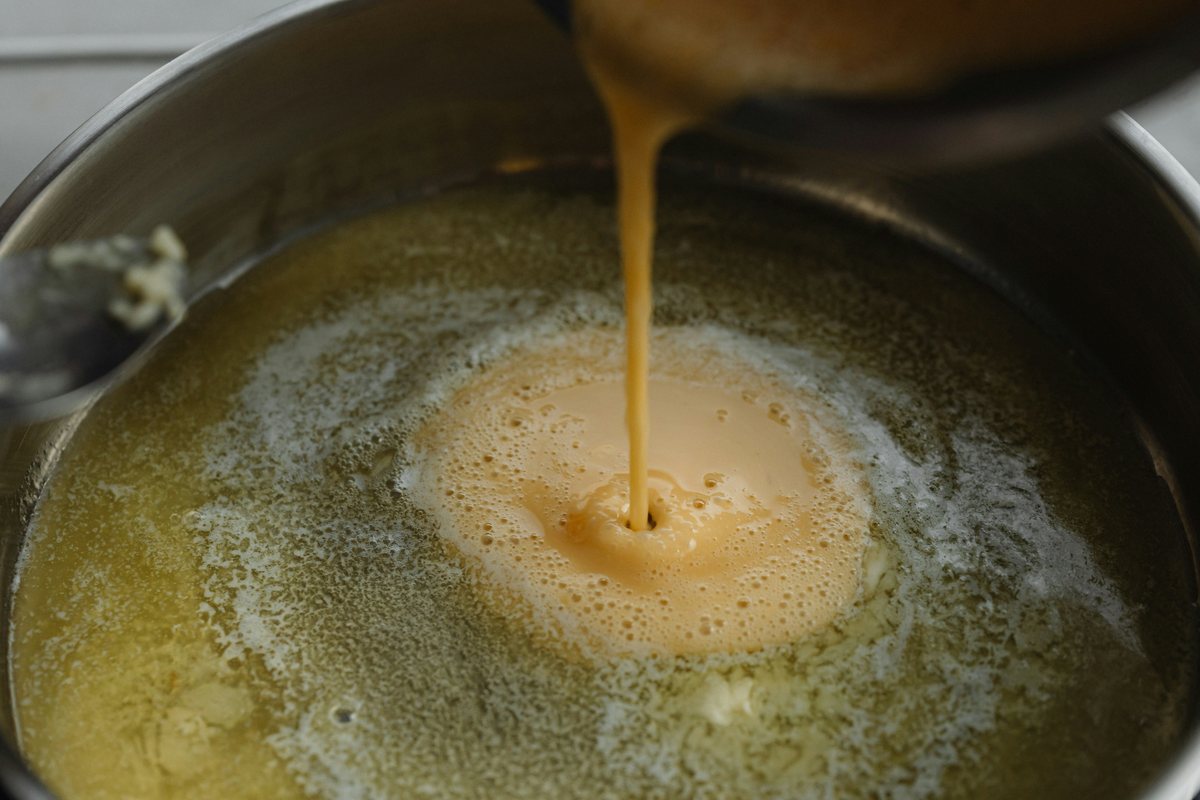
A sauce that looked glossy a minute ago now has a greasy ring around it. Or the dressing you made yesterday has two tidy layers in the jar. Both can be described as “split”, but only one may need fixing.
The first step is to look at what kind of sauce you have. Oil and vinegar are expected to separate eventually. A warm butter sauce that has turned oily usually needs a change in heat and mixing. A grainy sauce made with overcooked eggs or soured cream is a different problem again.
Find the right fix
| What you see | Likely situation | First move |
|---|---|---|
| Clear oil sitting above vinegar in a cold dressing | Normal separation | Shake or whisk before serving |
| Shiny pools of butterfat around a warm pan sauce | The emulsion may have broken | Take it off the heat and whisk or swirl |
| Butter sauce becoming oily while the pan is still heating | Too much heat for the emulsion | Move the pan to a cool surface immediately |
| Grainy bits in an egg-based sauce | The egg may have overcooked | Remove from heat; a gentle rescue may help, but texture may not fully return |
| Soured-cream sauce turning into fine curds after boiling | The dairy may have curdled | Stop boiling; do not expect whisking alone to undo cooked curds |
A vinaigrette can separate and still be fine
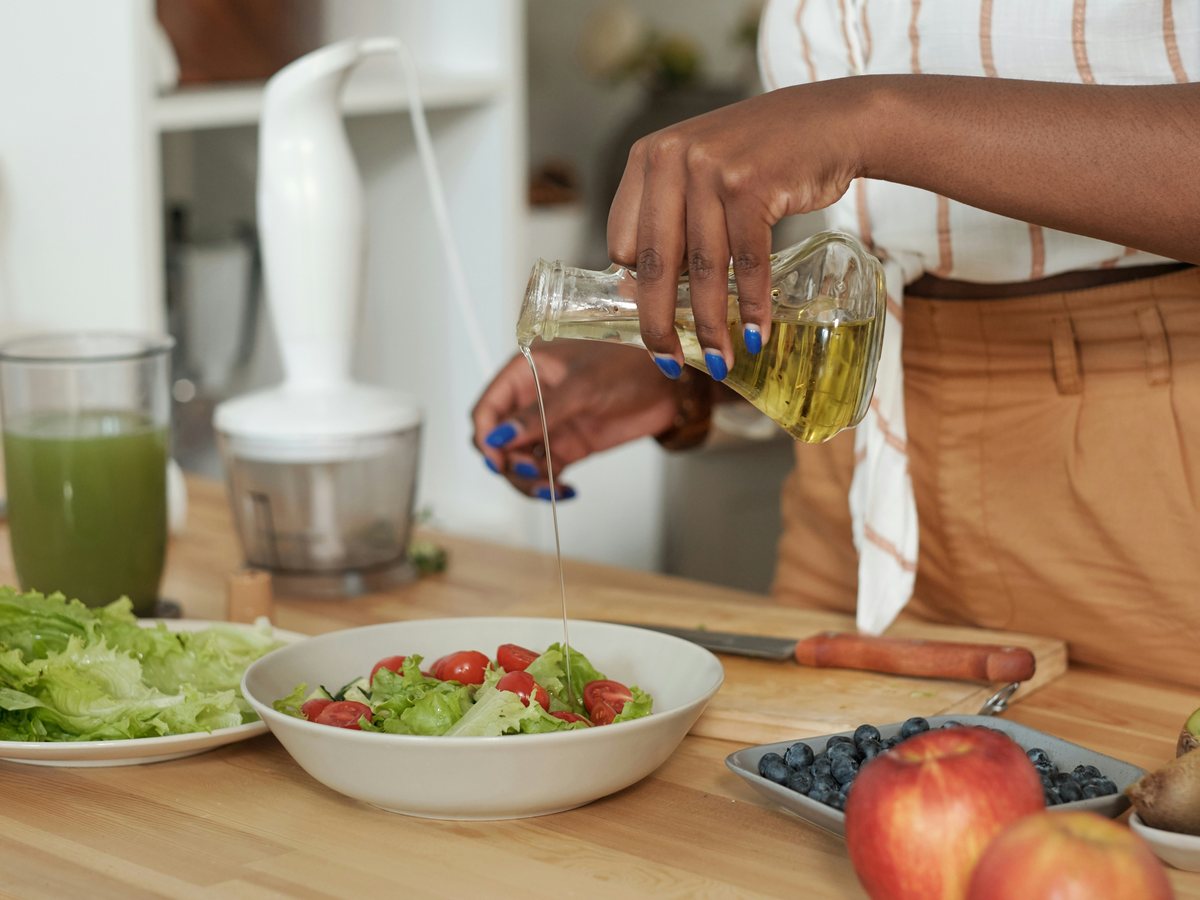
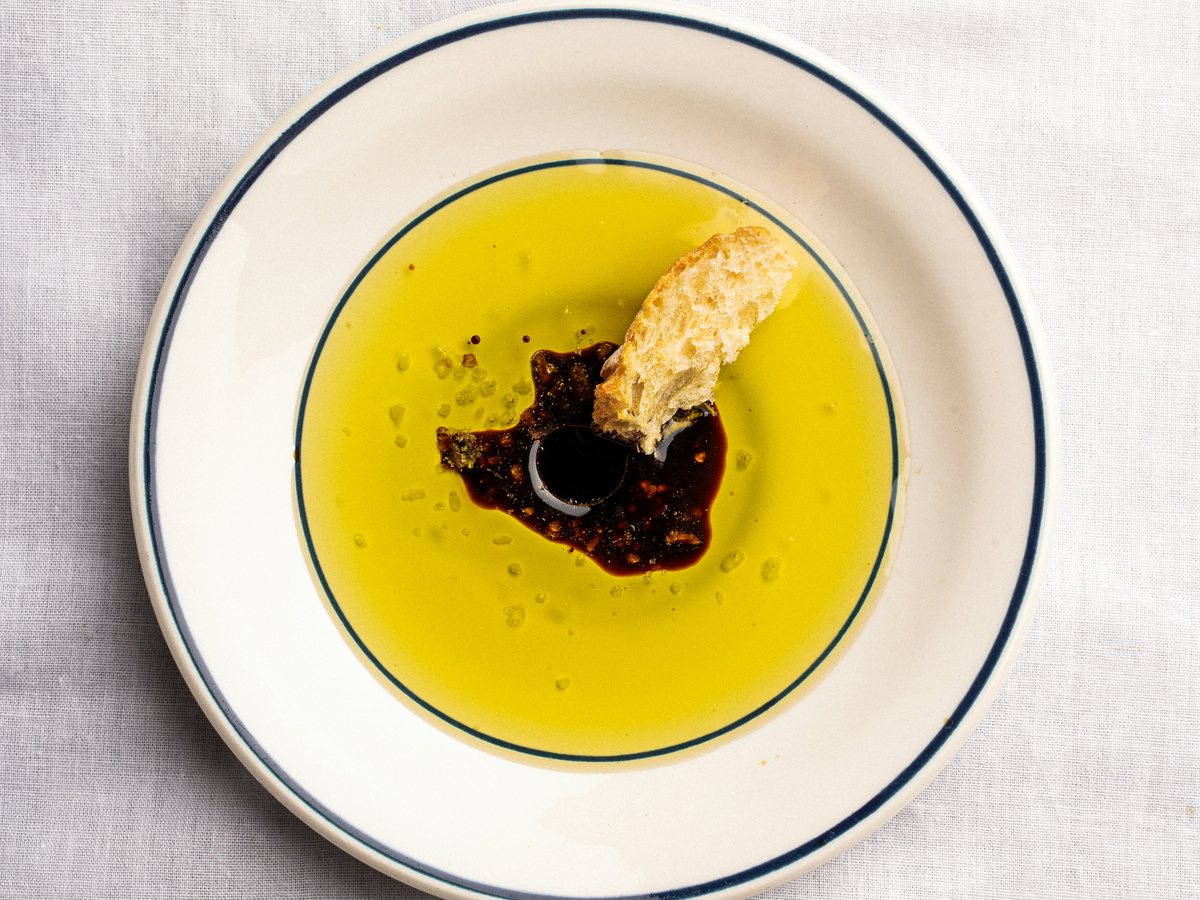
Oil and vinegar do not stay mixed for long on their own. A vinaigrette is usually a temporary or semi-permanent emulsion. If it has stood in the fridge and separated, shake the closed jar or whisk it before dressing the food.
If you are making a fresh one, whisk the vinegar and seasonings together first. Add the oil slowly while whisking. A little mustard can help it stay mixed for longer. Good Food's easy salad dressing uses mustard and slowly whisked-in oil. Separation later is expected; it does not mean the dressing has failed.
A warm butter sauce needs gentle heat
A pan sauce finished with butter should look glossy and lightly thickened. If you see loose fat, take the pan off the heat straight away. Whisk or swirl it while it cools a little. If the sauce has reduced until almost no liquid remains, try adding a small spoonful of water or stock and whisking again. Add a little at a time so you do not turn a concentrated sauce into a watery one.
For a butter-rich sauce such as beurre blanc, Good Food recommends removing it from the heat and whisking in a small cube of ice if it splits. That is a specific technique for that style of sauce. It is not a reason to add ice to every broken gravy or cream sauce.
The safer habit is to reduce the liquid before adding the butter, then keep the heat low or switch it off while the butter goes in. Avoid boiling the finished butter sauce. Good Food's beurre blanc recipe makes the temperature point clearly.
Grainy is not the same as oily
If an egg sauce such as hollandaise has visible cooked flecks, lowering the heat stops further damage but does not uncook the egg. Great British Chefs' hollandaise guide suggests taking a sauce that is becoming thick and greasy off the heat and stirring in a little room-temperature water. If it has completely split, the guide describes starting a fresh yolk and vinegar base, then gradually whisking the broken sauce into it. That is more involved than rescuing a dressing, and cooked flecks may still affect the texture. If the sauce smells or tastes scorched, start again.
Soured cream can curdle when boiled in a hot sauce. Take it off the heat as soon as it happens. You may be able to improve the appearance by straining out obvious curds, but the original smooth texture is not guaranteed. Next time, stir soured cream into a cooler sauce just before serving, or use crème fraîche if the recipe needs the dairy to tolerate more heat. Good Food's crème fraîche guide explains the difference.
When to stop trying
A short recovery attempt is worthwhile when the flavour is good and the problem is only separation. If the sauce is burned, has cooked egg solids throughout, or becomes thinner every time you add liquid, more whisking will not necessarily make it dinner-ready. Serve a simpler sauce, or start a fresh small batch.
Understanding which sauce you have is the useful skill. A jar of dressing needs a shake; a hot pan often needs to come off the heat; a curdled sauce may need a new plan.